
Neck Pain Treatment NJ & NY

Blog

Home

Blog

Sacro-Iliac Pain Relief Expert Tips in Englewood Cliffs

Soothe the Ache: Managing Sacroiliac Joint Pain

Understanding Sacro-Iliac Joint Pain

Sacroiliac (SI) joint pain is a complex condition that affects the area where the spine connects to the pelvis. This joint plays an important role in supporting body weight and enabling movement, making it essential for daily activities.

Pain from this condition may appear as:

Dull ache

Sharp or stabbing pain

Discomfort in the lower back, buttocks, or thighs

Identifying the Source of Pain

SI joint pain can result from several causes, including:

Injury or trauma

Pregnancy-related changes

Arthritis

Uneven leg length

Diagnosis may involve physical examination, symptom evaluation, and imaging studies. A specialist like Dr. Jignyasa Desai, DO, can help determine the exact cause and create a targeted treatment plan.

At-Home Pain Relief Strategies

Posture and Exercise

Maintaining proper posture reduces stress on the SI joint. Low-impact exercises like swimming and yoga help strengthen supporting muscles and improve stability.

Stretching

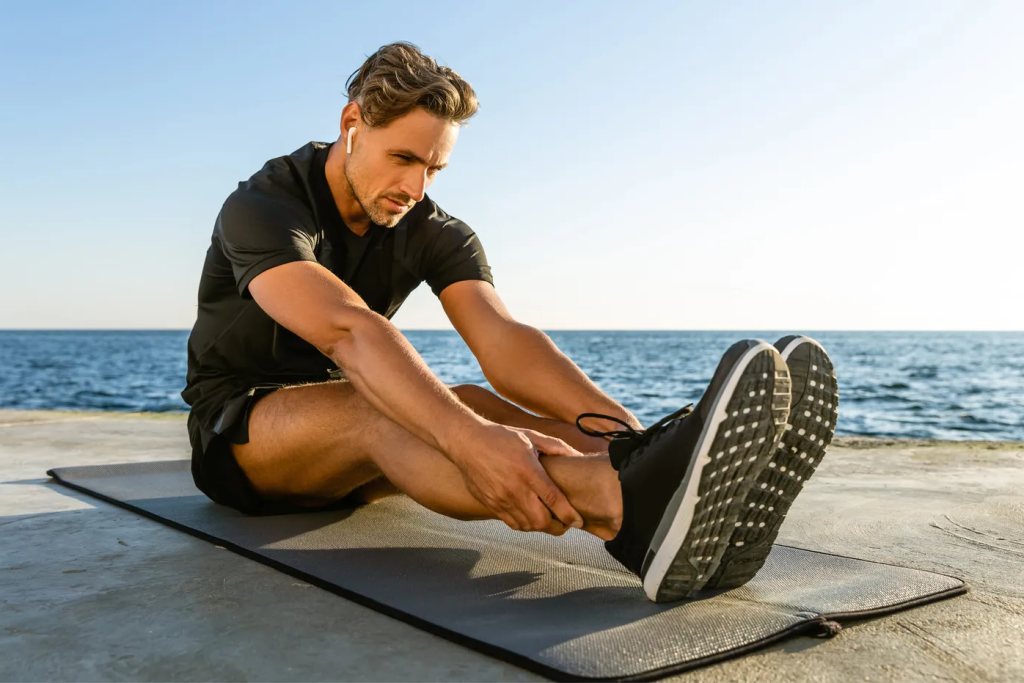
Gentle stretches such as knee-to-chest movements can improve flexibility and reduce tension.

Heat and Cold Therapy

Heat helps relax tight muscles, while cold therapy reduces inflammation and pain.

Activity Adjustments

Avoid long periods of sitting or standing. Take frequent breaks and use ergonomic support when possible.

Professional Treatment Options

While home care is helpful, chronic SI joint pain often requires medical support. Treatment options may include:

Physical therapy

Medications

Minimally invasive procedures

A personalized plan ensures better long-term results.

Holistic Care Approach

At our Englewood Cliffs practice, care is focused on a holistic and patient-centered approach. Treatment plans may combine medical care with lifestyle guidance to support long-term recovery and pain control.

Final Thoughts

Sacroiliac joint pain can impact daily life, but it is manageable with the right approach. Combining self-care strategies with professional treatment can significantly improve mobility and comfort.

With proper guidance and consistent care, individuals in Englewood Cliffs can work toward long-term relief and a more active lifestyle.
BOOK APPOINTMENT

Dr. Jignyasa Desai has devoted her life to health care and the improvement of pain conditions. 

Mission statement: 

iHeal Pain Center is founded by Dr. Jignyasa Desai with a dedication to eliminate pain and optimize health. Through traditional and innovative approaches, the center focuses upon healing of sports injuries and spinal disorders in all patients ranging from the athletic to the elderly. Dr. Desai methodology involves a holistic approach encompassing therapy, nutrition, and non-surgical techniques with the ultimate goal of improving daily function and lifestyle.

Training 

College: East Tennessee State University B.S. Biology with honors
Medical School: Lake Erie College of Osteopathic Medicine
Internship: Aria Health System via Philadelphia College of Osteopathic Medicine
Residency: Physical Medicine and Rehabilitation- Stonybrook University
Fellowship training: Pain Medicine- Temple University (ACGME accredited training program) 

Board Certifications:

• Physical Medicine and Rehabilitation (AAPMR)
• Pain Medicine (ABA) 

Society Memberships:

American Board of Physical Medicine and Rehabilitation (AAPMR)
American Society of Interventional Pain (ASIP)
Society of Interventional Pain (SIS)
American Society of Physicians of India (APPI)
American Society of Osteopathic Physicians (AOA) 

State Licenses:

New York and New Jersey

Publications

• Frankenberger V, Desai J. Prosthetic Management of Residual Limb Ulcerations with a Vacuum Assisted Socket Suspension: American Journal of Physical Medicine and Rehabilitation. Volume 87 (3), Page S49, March 2008
• Tang N, Desai J, Stickevers S, Awan G. Hip, Buttock, and low back pain associated with ischiogluteal bursitis a case report: American Journal of Physical Medicine and Rehabilitation. Volume 88, (3) Page S12, March 2009.
• Desai J, Stickevers S. Treatment of post amputation focal dystonia with Botulinum Toxin A: American Journal of Physical Medicine and Rehabilitation. Volume 88, No 3. Page S20, March 2009.
• Desai J, Lai Y. Methylmethacrylate (MMP) hypersensitivity reactions post orthopedic hardware implantation: A case report: American Journal of Physical Medicine and Rehabilitation. Oct 22, 2009.
• Desai, J, Fahmy, M. Herpes Zoster associated with Recurrent Bell’s Palsy: A Case Report: American Journal of Physical Medicine & Rehabilitation: 89(4): S79, April 2010.
• Desai, J, Semel, J. Assessing Fall Data in Rehabilitation Hospitals Leading to Prevention Strategies. American Journal of Physical Medicine & Rehabilitation: 89(4): S83, April 2010.
• Kohane, Dan, Desai, J. Case Report: Brachial Amyotrophic Diplegia (BAD). 2011 (AAP) Association of Academic Physiatrists. Annual Meeting in Phoenix, Arizona, April 12-16, 2011.
• Desai J, Falco F. A case study: Peripheral Nerve Stimulator (PNS) in treatment of intractable migraines. To be submitted for publication 2011
• Vesga R, Falco F, Husain A, Desai J. Chapter 12: Abdominal Pain and Treatment Options. In: Kaye A, editor. Understanding Pain: Taking Control of Your Life. Praeger/ABC-CLIO Press; 2011.
• Falco F, Desai J. Stimulation produced analgesia. In: Manchikanti L, Christo P, Trescot A, Falco F (eds.). Comprehensive Pain Medicine and Interventional Pain Management Board Review. Paducah, KY: ASIPP Publishing; 2011.
• Zhu Z, Falco F, Desai J. Intrathecal drug delivery. In: Manchikanti L, Christo P, Trescot A, Falco F (eds.). Comprehensive Pain Medicine and Interventional Pain Management Board Review. Paducah, KY: ASIPP Publishing; 2011.
• Onyewu C, Desai J, Falco F. EEG, MEG. In: Manchikanti L, Christo P, Trescot A, Falco F (eds.). Comprehensive Pain Medicine and Interventional Pain Management Board Review. Paducah, KY: ASIPP Publishing; 2011.•Desai, J, Sakheim, K. Anti-Depressants in Pain Management. Pain Management Clinical Pocket Guide. Currently in Publishing for spring of 2013.