
Home
CONDITIONS
ARTHRITIS, SPORTS INJURIES, & BRUSITIS
Arthritis is a disease that causes pain and loss of movement of the joints. The word arthritis literally means joint inflammation (arth-joint, ritis-inflammation). Arthritis can be acute or chronic and affect every joint in the body. There are many forms of arthritis with Osteoarthritis and Rheumatoid arthritis being the most well known. People of all ages, including children and young adults, can develop arthritis.
Osteoarthritis is a disease that causes the breakdown of joint tissue, leading to joint pain and stiffness. Degenerative arthritis can be related to chronic sports injuries or high impact activities, as well as aging. Most people over the age of 65 will develop some mild form of osteoarthritis. It is associated with a breakdown of cartilage in joints and can occur in almost any joint in the body. It most commonly occurs in the weight bearing joints of the hips, knees, and spine. It also may affect some finger joints, the joint at the base of the thumb and the joint at the base of the big toe. Rheumatoid arthritis differs in that it primarily affects the ankles, knees, and joints in the hands.
Treatment of Arthritis: A cornerstone of therapy of any form of arthritis is physical therapy and anti-inflammatory medication. If symptoms persist, Dr. Desai offers injection therapies which can help reduce inflammation in any joint. Acute swelling and inflammation can be initially treated with steroid injection therapy. Chronic arthritis in the knees can be treated with viscosupplementation, which is synthetic lubricant that cushions the joint reducing friction and knee pain. Platelet Rich Plasma (PRP) is also a therapy for arthritis, which helps to repair and regenerate the cartilage in the knee.

Most common sports injuries can include acute damage to the soft tissues, muscles, tendons, ligaments and nerve entrapments. Common injuries are muscle strains or sprains, contusions, overuse injuries including stress fractures, tendonitis and bursitis.
Dr. Desai uses ultrasound to image the location and source of the injury. Her state of the art use of ultrasound guided prolotherapy and platelet rich plasma therapy (PRP) can help to heal the injury using the body’s own healing growth factors
Tendonitis is amongst the most common overuse injury. Tendons are made of collagen. They attach muscles to bone and are subject to great deal of force. The vasculature of tendons varies with blood supply originating at both the musculo-tendinous and bone tendon junctions. Often times, the blood supply is insufficient for healing, and tears to the collagen lead to chronic pain in many athletes. Chronic tendinopathy can occur most commonly in the rotator cuff, extensor carpi radialis brevis, patellar and achilles tendons. Other tendons can include the adductor longus, biceps, tibialis posterior, and flexor hallucis longus tendons.
Bursitis – The body contains many bursae (fluid filled sacs) situated between the bony surfaces of overlying tendons. Their role is to facilitate movement of the tendon over the bony surface. Overuse injuries in bursae are quite common, particularly at the subacromial bursae, the greater trochanter, ischial bursae, and the bursae deep to the illiotibial band at the knee and the retrocalcaneal bursae. Bursitis is associated with local tenderness and swelling and pain with specific movements. Treatment involves NSAIDS, but this may be ineffective due to the poor blood supply of most bursae. Chronic bursitis will need to be injected with corticosteroids to reduce the inflammation.
Our pain management doctors provide world-class, utmost professional care and a dynamic, team-oriented approach to offer relief for chronic pain.
Dr. Jignyasa Desai has devoted her life to health care and the improvement of pain conditions.
Mission statement:
iHeal Pain Center is founded by Dr. Jignyasa Desai with a dedication to eliminate pain and optimize health. Through traditional and innovative approaches, the center focuses upon healing of sports injuries and spinal disorders in all patients ranging from the athletic to the elderly. Dr. Desai methodology involves a holistic approach encompassing therapy, nutrition, and non-surgical techniques with the ultimate goal of improving daily function and lifestyle.
Training
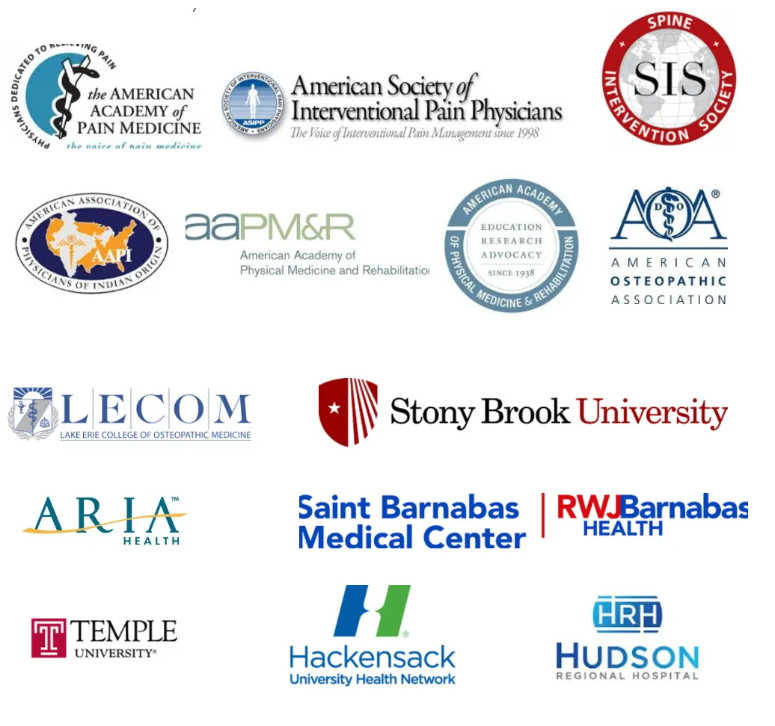
College: East Tennessee State University B.S. Biology with honors
Medical School: Lake Erie College of Osteopathic Medicine
Internship: Aria Health System via Philadelphia College of Osteopathic Medicine
Residency: Physical Medicine and Rehabilitation- Stonybrook University
Fellowship training: Pain Medicine- Temple University (ACGME accredited training program)
Board Certifications:
• Physical Medicine and Rehabilitation (AAPMR)
• Pain Medicine (ABA)
Society Memberships:
American Board of Physical Medicine and Rehabilitation (AAPMR)
American Society of Interventional Pain (ASIP)
Society of Interventional Pain (SIS)
American Society of Physicians of India (APPI)
American Society of Osteopathic Physicians (AOA)
State Licenses:
New York and New Jersey
Publications
• Frankenberger V, Desai J. Prosthetic Management of Residual Limb Ulcerations with a Vacuum Assisted Socket Suspension: American Journal of Physical Medicine and Rehabilitation. Volume 87 (3), Page S49, March 2008
• Tang N, Desai J, Stickevers S, Awan G. Hip, Buttock, and low back pain associated with ischiogluteal bursitis a case report: American Journal of Physical Medicine and Rehabilitation. Volume 88, (3) Page S12, March 2009.
• Desai J, Stickevers S. Treatment of post amputation focal dystonia with Botulinum Toxin A: American Journal of Physical Medicine and Rehabilitation. Volume 88, No 3. Page S20, March 2009.
• Desai J, Lai Y. Methylmethacrylate (MMP) hypersensitivity reactions post orthopedic hardware implantation: A case report: American Journal of Physical Medicine and Rehabilitation. Oct 22, 2009.
• Desai, J, Fahmy, M. Herpes Zoster associated with Recurrent Bell’s Palsy: A Case Report: American Journal of Physical Medicine & Rehabilitation: 89(4): S79, April 2010.
• Desai, J, Semel, J. Assessing Fall Data in Rehabilitation Hospitals Leading to Prevention Strategies. American Journal of Physical Medicine & Rehabilitation: 89(4): S83, April 2010.
• Kohane, Dan, Desai, J. Case Report: Brachial Amyotrophic Diplegia (BAD). 2011 (AAP) Association of Academic Physiatrists. Annual Meeting in Phoenix, Arizona, April 12-16, 2011.
• Desai J, Falco F. A case study: Peripheral Nerve Stimulator (PNS) in treatment of intractable migraines. To be submitted for publication 2011
• Vesga R, Falco F, Husain A, Desai J. Chapter 12: Abdominal Pain and Treatment Options. In: Kaye A, editor. Understanding Pain: Taking Control of Your Life. Praeger/ABC-CLIO Press; 2011.
• Falco F, Desai J. Stimulation produced analgesia. In: Manchikanti L, Christo P, Trescot A, Falco F (eds.). Comprehensive Pain Medicine and Interventional Pain Management Board Review. Paducah, KY: ASIPP Publishing; 2011.
• Zhu Z, Falco F, Desai J. Intrathecal drug delivery. In: Manchikanti L, Christo P, Trescot A, Falco F (eds.). Comprehensive Pain Medicine and Interventional Pain Management Board Review. Paducah, KY: ASIPP Publishing; 2011.
• Onyewu C, Desai J, Falco F. EEG, MEG. In: Manchikanti L, Christo P, Trescot A, Falco F (eds.). Comprehensive Pain Medicine and Interventional Pain Management Board Review. Paducah, KY: ASIPP Publishing; 2011.•Desai, J, Sakheim, K. Anti-Depressants in Pain Management. Pain Management Clinical Pocket Guide. Currently in Publishing for spring of 2013.